A Long History
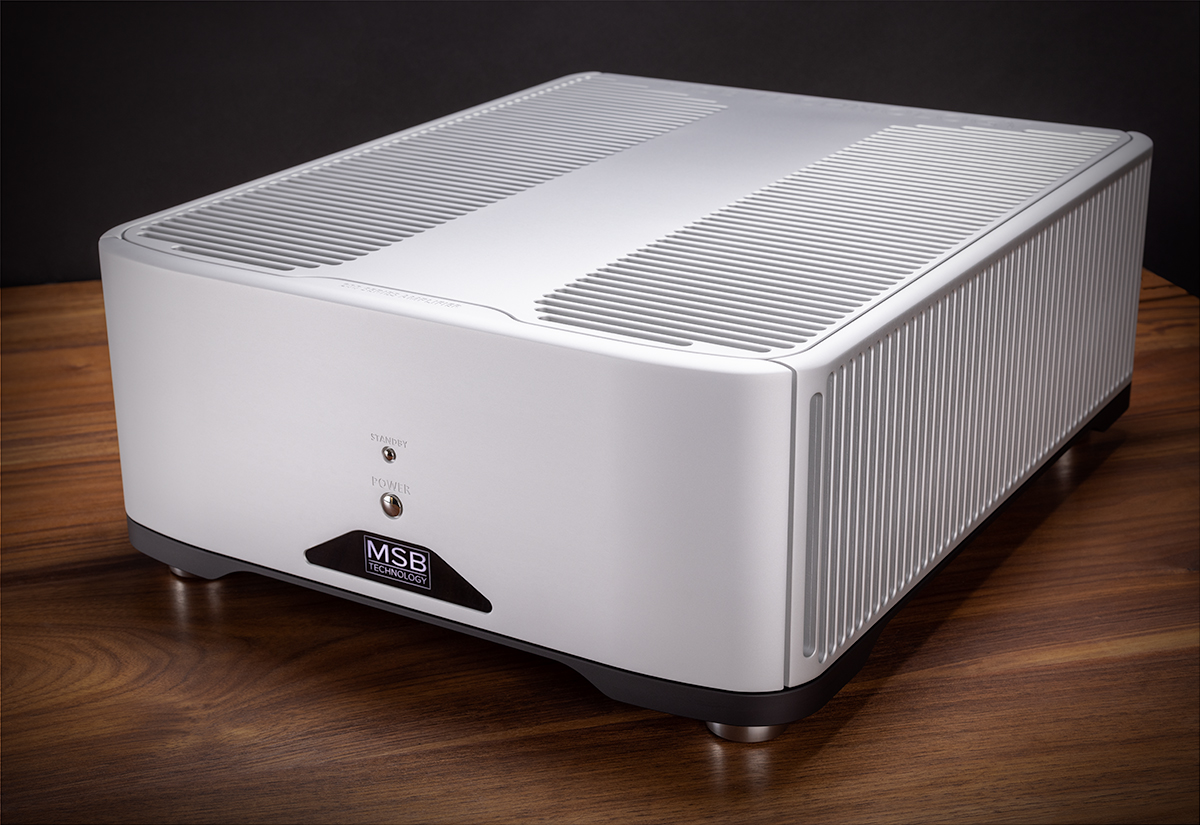
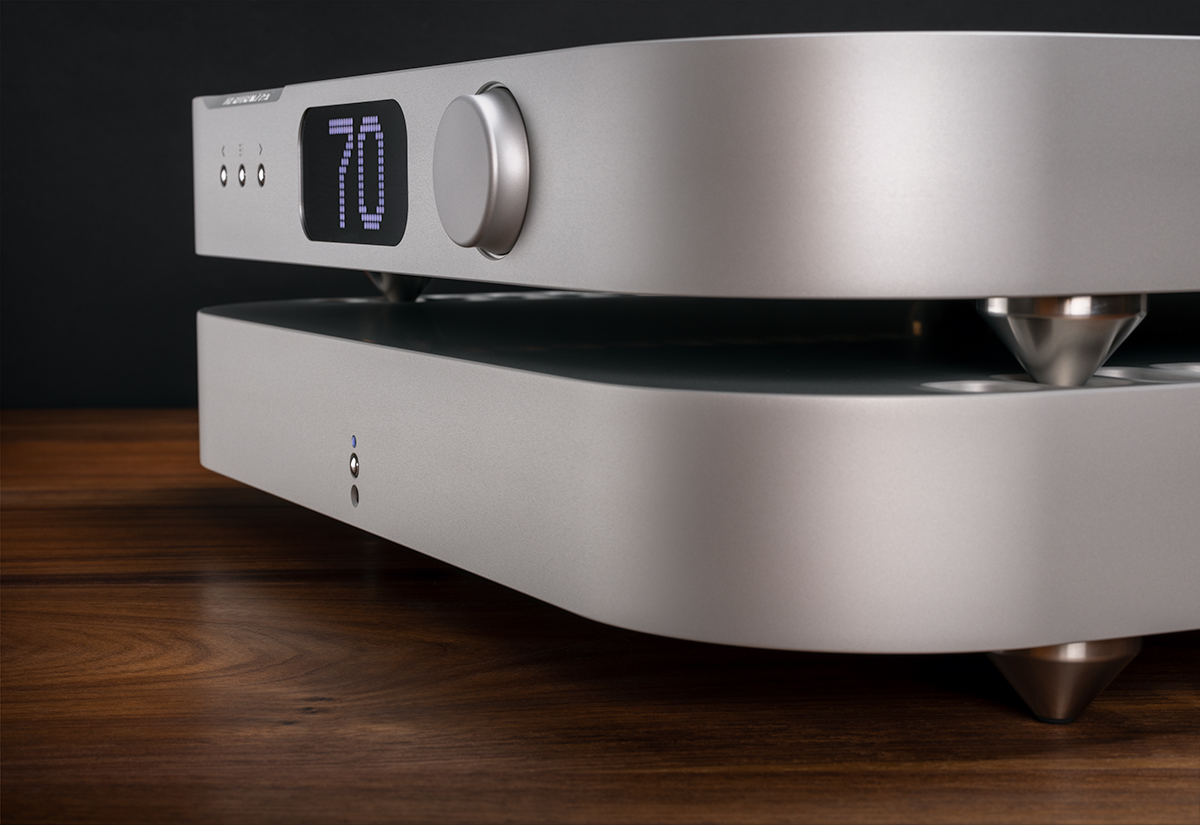
The Platinum ADC has grown out of over 20 years of DAC development. Analog-to-Digital-Converters, ADCs, like DACs are generally designed with a chip from someone like Analog Devices or Burr Brown and simply put in a box. As a result, all which use the same chip sound about the same. Years ago we at MSB broke away from this mode by designing our own entirely discrete DAC. In years past we have produced several ADCs, but by the conventional method. Finally, we have now addressed the analog-to-digital conversion problem with the same care we have invested in the digital-to-analog conversion problem.
During the development of our new Diamond DAC technology we were faced with the challenge of making a DAC more accurate than any audio DAC ever produced. The first quandary we faced was finding an accurate and automated way to measure the output. Our first task was to acquire the most accurate ADC we could. Well, as you can guess, nothing we could find came close to the precision we needed. So once again, necessity drove us to develop the best ADC we could imagine. As the design was not restricted by a product requirement, we simply did the best we could.
About the ADC
Once the core analog conversion engine was designed, we added all the features to make this ADC a truly high-performance and flexible product. Clock accuracy and stability is just as important in an ADC as it is in a DAC, so of coarse we have installed our most accurate TCXO clocks, and made provision to output that stable clock as a source clock for optimum studio use. We also accept an input clock for those applications where a studio clock of high accuracy already exists, allowing the ADC to sync with video, although this is not the optimum configuration.
About the Digital Filter
Just as in DACs, digital filtering is also required in the conversion of analog to digital, and it turns out that its role in audio quality is just as important. Just as in our DACs, MSB has designed our own DSP based filter that far exceeds the performance available with integrated single chip solutions. THis product has 8 delta sigma converters and 5 of the fastest DSPs Analog Devices makes!
ADC Performance
While others are worried about adding more features and computer interfaces, MSB is investing in audio performance. Check out our jitter measurements.
Features and Controls
This A/D is fully configurable with word lengths and bit depth adjustable up to with 32-bit output resolution, and sample rates up to 384 kHz. THere are several grounding options that can be selected including complete isolation. Each input has a +/- 10 db trim adjustment and a full digital mixing of all 8 channels is possible, all with simple setup controls.
|
When cost is not an object, and only the very best will do, MSB offers unprecidented performance.
|
8Ch. ADC Specs: 2 Balanced 6.144Mhz 6bit Delta-Sigma Modulators Per Channel
One Balanced Amplifier Per Channel
Input Impedance:
100K Balanced
50K Single-Ended
THD+N: (measures higher near 0 db because of zero feedback buffer)
1Khz @ 0 db: 0.005%
1Khz @ -3 db: 0.003%
1Khz @ -14 db: 0.0004%
1Khz @ -30 db: 0.0007%
Dynamic Range:
48Khz: 148 dbA
96Khz: 145 dbA
192Khz: 143 dbA
384Khz: 140 dbA
Stereo ADC Specs:
8 Balanced 6.144Mhz 6bit Delta-Sigma Modulators Per Channel
4 Balanced Amplifier Per Channel
Input Impedance:
25K Balanced
12.5K Single-Ended
THD+N: (measures higher near 0 db because of zero feedback buffer)
1Khz @ 0db: 0.004%
1Khz @ -3db: 0.002%
1Khz @ -14db: 0.0002%
1Khz @ -30db: 0.0005%
Dynamic Range:
48Khz: 153 dbA
96Khz: 150 dbA
192Khz: 1148 dbA
384Khz: 145 dbA
|
|
ADC Specs:
Digital Ouputs:
2 or 4 AES/EBU Balanced
Coaxial (Stereo Model only)
MSB2 Outputs
(new MSB Network with imbedded clocks)
Clock Jitter: 5 ppm TCXOs
Clock In Clock Out
Trim Control:
+/- 10dB
Output Sampling Frequency:
44.1Khz, 48Khz, 88.2Khz, 96Khz, 176.4Khz, 192Khz, 352.8Khz, 384Khz
Output Resolution:
up to 32 bits
Fully differential zero feedback discrete input buffers:
Low Gain Setting 0db: 26Vpp 9.28Vrms
High Gain Setting 0db: 13Vpp 4.64Vrms
Settable Gain: up to +60db (with plug-in)
Common Mode Input Range: 28V
Channel Separation @1Khz: >160db
Channel Separation @24Khz: >140db
Gain Flatness as measured, (Includes Amplifier and Digital Filter):
2 stage FIR
-0.01db @44.1Khz: 21.54Khz
-3.0db @44.1Khz: 21.74Khz
-0.01db @48Khz: 23.47Khz
-3.0db @48Khz: 23.64Khz
Single Stage FIR
-0.01db @88.2Khz: 26.6Khz
-3.0db @88.2Khz: 32.1Khz
-0.01db @96Khz: 29.0Khz
-3.0db @96Khz: 35.0Khz
-0.01db @176.4Khz: 49.6Khz
-3.0db @176.4Khz: 62.0Khz
-0.01db @192Khz: 54.0Khz
-3.0db @192Khz: 67.5Khz
-0.01db @352.8Khz: 50.0Khz
-3.0db @352.8Khz: 71.2Khz
-0.01db @384Khz: 54.0Khz
-3.0db @384Khz: 77.53Khz
ADC Latency:
@44.1Khz: 5.06ms (2 stage FIR)
@48Khz: 4.65ms (2 stage FIR)
@88.2Khz: 0.72ms (Single Stage FIR)
@96Khz: 0.66ms
@176.4Khz: 0.39ms
@192Khz: 0.36ms
@176.4Khz: 0.23ms
@192Khz: 0.21ms
Control Features:
Remote
Frequency
Bit Depth
Trim (8x)
Mixing
Grounding
|